








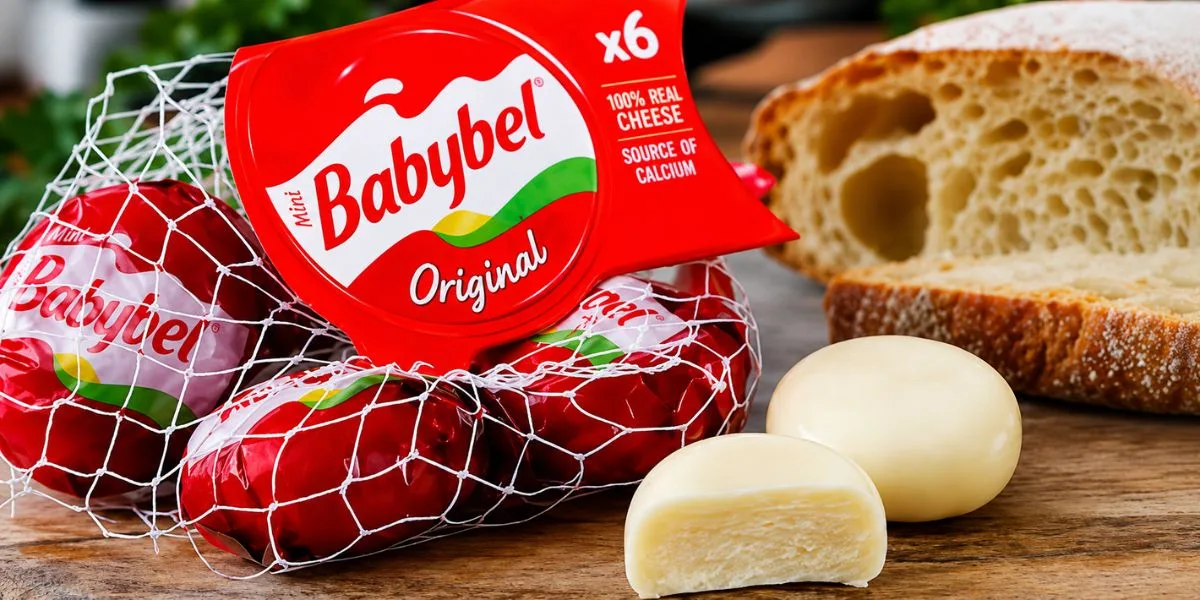
If you have come across the word babybelletje and wondered what it means, you are looking at a real and fairly simple answer, even though the word itself looks unusual at first glance. Babybelletje is not an official brand name. It is a cute, Dutch style nickname that people use for Mini Babybel, the small round cheese wrapped in red wax that is sold in supermarkets around the world.
This guide explains exactly where the word comes from, why it sounds the way it does, and everything worth knowing about the cheese behind it, including its real history, what it is made of, and its nutrition facts. Unlike a lot of short explainer pages on this topic, every historical detail here is checked against the cheese maker’s own company records.
Babybelletje at a Glance
| Detail | Information |
| Term | Babybelletje |
| Type | Informal, Dutch style nickname, not an official product name |
| Refers to | Mini Babybel cheese |
| Word origin | Baby plus belletje, the Dutch diminutive of bel, meaning little bell |
| Official brand name | Babybel and Mini Babybel, made by Bel Group |
| Parent company founded | 1865, by Jules Bel, in the Jura region of France |
| Mini Babybel introduced | 1977 |
| Sold in | Around 50 countries |
| Most recognizable feature | The bright red wax coating |
What Does Babybelletje Actually Mean?
The Dutch Diminutive Behind the Word
To understand babybelletje, it helps to know a small rule of Dutch grammar. In Dutch, adding “-je” or “-tje” to a word makes it sound smaller or cuter. The word bel means bell in Dutch. When you add the diminutive ending, the final consonant doubles and the word becomes belletje, which means little bell.
Put baby in front of that, and you get babybelletje. Read loosely, it means something like little baby bell, which lines up neatly with a small, round piece of cheese that is, quite literally, a miniature version of a bigger product.
Why People Use It for Mini Babybel
Mini Babybel is already a playful name on its own, since baby in the name signals that it is the smaller version of the original Babybel cheese. For Dutch speaking parents, children, and casual content creators, turning that into babybelletje is a natural next step. It takes an already cute product and gives it an even cuter sounding nickname, the same way people might call a small dog a doggetje or a baby a kindje in everyday Dutch speech.
So babybelletje is not a translation issue or a mistake. It is a deliberate, affectionate way of referring to the cheese, built using normal Dutch word formation rules.
Is Babybelletje an Official Brand Name?
No. The cheese itself is sold under the names Babybel and Mini Babybel, and both are trademarks belonging to Bel Group, also known as Le Groupe Bel or Fromageries Bel. Babybelletje does not appear on packaging or in official marketing. It is a nickname used by everyday people online and in conversation, not a registered product name.
This distinction matters if you are searching for the word, since you will not find a separate product called babybelletje in stores. What you will find is Mini Babybel, the cheese the nickname refers to.
The Real History of Mini Babybel
From Jules Bel to a Global Cheese Brand
The company behind this cheese has a long history. It started in 1865, when Jules Bel began a cheese trading business in the Jura region of eastern France. His son, Leon Bel, later expanded the family business, eventually creating the processed cheese products the company is known for today, including The Laughing Cow.
The original Babybel cheese was trademarked in the early 1930s and became available across France by 1952. It was made in an Edam inspired style, wrapped in the now famous red wax, and designed to travel well without needing constant refrigeration.
When Mini Babybel Was Born
The smaller, snack sized version that most people now picture when they hear babybelletje was introduced in 1977. This miniature format turned out to be even more successful than the original size, and it eventually became the company’s flagship product. Bel Group expanded into the United States in 1970, and Mini Babybel followed soon after, helping the brand grow into the roughly 50 countries where it is sold today.
Why the Red Wax Became Iconic
The red wax coating is more than a design choice. According to Bel Group, the wax helps protect and preserve the cheese, and a wax sealed Mini Babybel can stay outside the fridge for several hours, which makes it useful for lunchboxes, travel, and snacking on the go.
The wax itself is a blend of paraffin and microcrystalline wax with a natural dye. It is considered food safe, so accidentally swallowing a small piece is not dangerous, though it is not meant to be eaten on purpose since it has no real flavor. For many people, peeling off the wax is part of the appeal, turning a simple snack into a small, satisfying ritual.
What Is Inside Mini Babybel Cheese
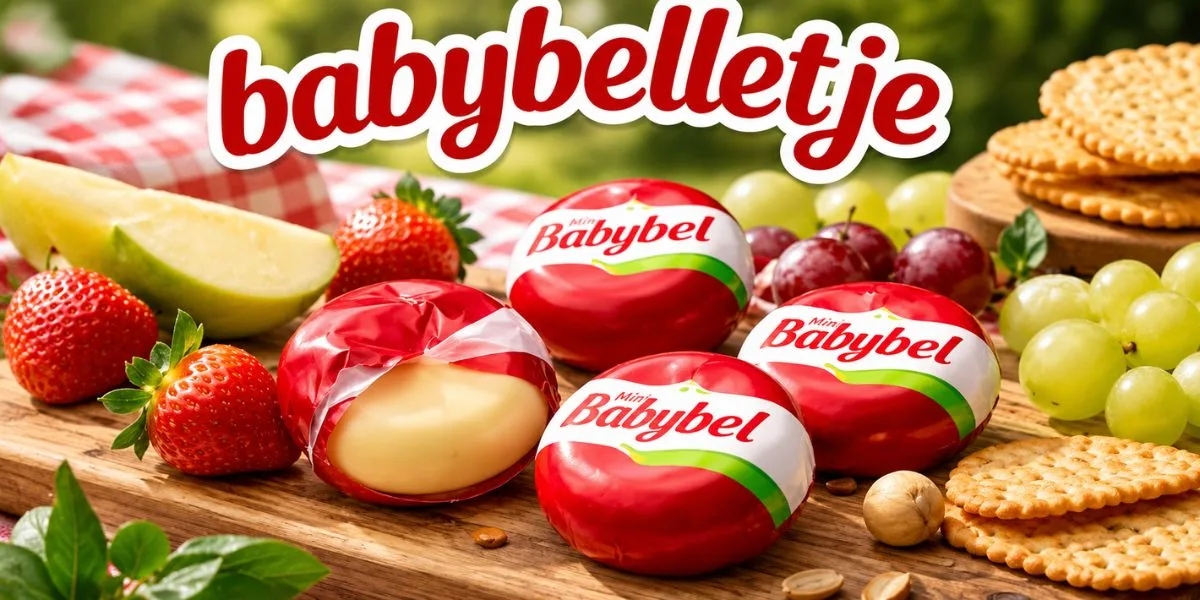
The ingredient list stays short, which is one reason the cheese has stayed popular. The core ingredients are pasteurized milk, salt, lactic ferments, and rennet. In the UK, the brand specifically uses vegetarian rennet, while other markets list microbial enzymes instead of rennet sourced from animals, which means most versions of the cheese are suitable for vegetarians, though it is worth checking the packaging in your own country since recipes vary slightly by region.
Nutrition Facts
A single piece of Mini Babybel is a genuinely small portion, and that is intentional. Depending on the flavor, one piece typically contains somewhere between 50 and 70 calories and around 4 to 6 grams of protein. It is also a useful source of calcium, since it is made almost entirely from milk.
Because each piece is individually wrapped, portion control comes built in. You eat one, you know exactly what you have had, and there is no need to weigh or measure anything.
Mini Babybel Flavors and Variations
The Original, Edam inspired flavor remains the best seller in most countries, but the lineup has grown a lot since 1977. Depending on where you live, you may also find Light, Gouda, White Cheddar, Mozzarella, and Monterey Jack versions, along with a higher protein option and fully plant based, vegan alternatives that use no animal milk at all.
This steady stream of new flavors is one reason the brand, and by extension the babybelletje nickname, keeps showing up in conversation. There is almost always a new variety for people to try and talk about.
Bel Group Today
The company behind Babybelletje has stayed family owned for more than 160 years. Antoine Fievet, a fifth generation member of the founding family, has led the group as president since 2001, with Cecile Beliot serving as chief executive since 2022. In 2024, Bel Group formally became a mission led company, a legal status in France that commits a business to balancing profit with social and environmental goals.
That shift shows up in smaller, practical ways too. The brand has been working on more sustainable packaging over the past two decades, including efforts around its wax coating and the plastic netting used for multipacks, alongside the addition of organic, plant based, and higher protein versions of its cheese. None of this changes what babybelletje means as a word, but it explains why the cheese behind the nickname keeps finding new reasons to stay relevant.
How People Enjoy Babybelletje Today
Most people eat it the simplest way possible, straight out of the wrapper as a quick snack. It needs no cutting, no cooking, and no plate, which makes it an easy option for school lunchboxes, office breaks, and travel.
It also works well mixed into other meals. Sliced into a sandwich, melted onto toast, or microwaved briefly until soft and gooey, the cheese becomes a quick topping for pasta or warm bread. Because the flavor is mild, it blends easily with both sweet and savory pairings, from crackers and fruit to cured meats.
Babybelletje as a Cute Nickname Beyond Cheese
While the cheese is the main reason babybelletje exists as a word, its soft sound has given it a small life outside the kitchen too. Because Dutch diminutives like this one naturally sound warm and affectionate, some people borrow the same pattern playfully for nicknames or captions, especially around babies or small, round objects. This use is far less common than the cheese related meaning, and it is informal rather than an established naming trend, but it shows how a simple grammar rule can give a word more than one life online.
Why Babybelletje Is Showing Up More Online
A few things are pushing this word into more searches and social posts. Food content continues to perform well on platforms like TikTok and Instagram, and snack cheese with a recognizable red wax wrapper photographs and films well. Dutch and Belgian creators using the word naturally in captions or comments have also helped it travel beyond Dutch speaking audiences, prompting curious viewers elsewhere to search for what it actually means.
Because the word looks unfamiliar to non Dutch speakers, it tends to generate genuine curiosity rather than confusion with another product, which is part of why explainer content about it keeps attracting clicks.
Frequently Asked Questions
What does babybelletje mean?
Babybelletje is an informal Dutch style nickname for Mini Babybel cheese. It combines baby with belletje, the Dutch diminutive of bel, meaning little bell, giving the word a cute, affectionate sound.
Is babybelletje a real brand name?
No. The official product names are Babybel and Mini Babybel, both trademarks of Bel Group. Babybelletje is a nickname used in everyday speech and online content rather than an official brand name.
Is Mini Babybel healthy to eat?
It can fit into a balanced diet. One piece is a small, controlled portion that typically provides 50 to 70 calories, several grams of protein, and a useful amount of calcium, since it is made mostly from milk.
When was Mini Babybel introduced?
Mini Babybel was introduced in 1977, several decades after the original, full size Babybel cheese first became available across France in 1952.
Can vegetarians eat Mini Babybel?
Most versions can be eaten by vegetarians, since the rennet used is vegetarian or microbial rather than taken from animals. Recipes vary slightly by country, so checking the ingredient label where you live is a good idea.
Why is babybelletje trending online?
It is gaining attention because food content performs well on social media, and Dutch and Belgian creators have helped spread the word into wider use. Its unusual sound also makes people curious enough to search for its meaning.
Final Thoughts
Babybelletje turns out to be a simple, charming piece of language rather than a mystery product. It is a Dutch style pet name for Mini Babybel, built from ordinary grammar rules that turn everyday words into something softer and cuter. The cheese behind the nickname has a long, well documented history, going back to a French cheese trading family in 1865 and a snack sized format introduced in 1977 that went on to become a global favorite. Knowing the real story behind the word makes it easier to understand why a small cheese wrapped in red wax earned itself such an affectionate nickname in the first place.
Read also: What Is Babeltee? The Real Meaning Behind the Internet’s Newest Buzzword