








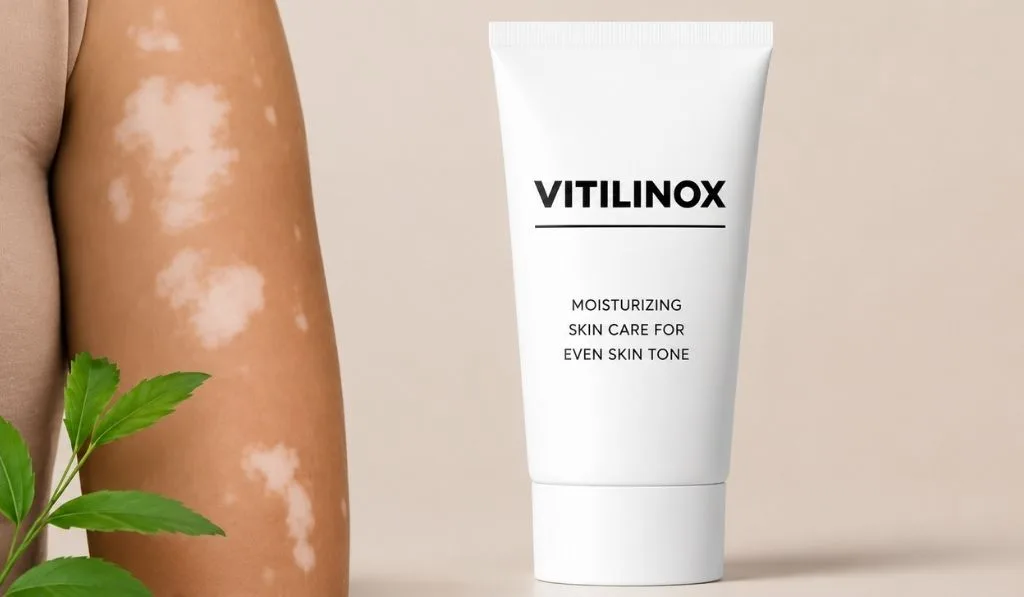
What Is Vitilinox? (The Complete Answer)
Vitilinox is a natural skin pigmentation support product designed specifically for people living with vitiligo — a chronic autoimmune condition that causes white patches on the skin due to the progressive destruction of melanocytes, the cells responsible for producing melanin.
Unlike pharmaceutical drugs or corticosteroid-based treatments, Vitilinox takes a holistic, plant-forward approach. It is available in two complementary forms: a topical cream applied directly to depigmented skin areas, and oral capsules (sometimes called T-Cell-V capsules) that support the body’s internal immune and antioxidant systems.
The name “Vitilinox” is a compound of “vitiligo” and a suffix suggesting strength or cellular protection — and that naming intent reflects the product’s core philosophy: rather than suppressing the immune system or artificially flooding the skin with pigment, Vitilinox aims to protect what remains and support the body’s own regenerative capacity.
It is important to be transparent from the outset: Vitilinox is not an FDA-approved medication, not a pharmaceutical drug, and not a guaranteed cure for vitiligo. It is a complementary natural health product — one that, used with realistic expectations and alongside professional medical guidance, may offer meaningful support for managing vitiligo.
Understanding Vitiligo: Why It Happens and Why Treatment Is So Hard
To evaluate Vitilinox fairly, you first need to understand what you’re dealing with.
Vitiligo affects an estimated 0.5% to 2% of the global population, meaning between 40 and 160 million people worldwide live with the condition. In India alone, vitiligo prevalence is notably higher than the global average — some studies estimate it affects up to 8.8% of the population in certain regions — making it a significant dermatological concern across South Asia. In the United States, approximately 1.9 million people are affected.
Vitiligo occurs when the immune system mistakenly identifies melanocytes as foreign threats and destroys them. Without these pigment-producing cells, patches of skin lose their color entirely, appearing white or lighter than surrounding skin. The condition is non-contagious, non-life-threatening, and can occur at any age across all skin types and ethnicities — but its psychological and social impact can be profound.
Three primary biological mechanisms drive vitiligo:
- Autoimmune dysfunction – The immune system generates T-cells that specifically target melanocytes. This is the most accepted mechanism, supported by the fact that vitiligo frequently co-occurs with other autoimmune conditions including thyroid disorders (Hashimoto’s thyroiditis, Graves’ disease) and type 1 diabetes.
- Oxidative stress – An imbalance between free radicals and antioxidants in the body causes cellular damage. Research has confirmed that melanocytes in vitiligo patients are particularly vulnerable to oxidative stress — the buildup of hydrogen peroxide in skin tissue is a well-documented contributor to melanocyte death.
- Genetic predisposition – Vitiligo has a heritable component; around 20% of people with vitiligo have at least one first-degree relative with the condition.
Conventional treatments — topical corticosteroids, tacrolimus, phototherapy (NB-UVB), oral JAK inhibitors like ruxolitinib (Opzelura, FDA-approved in 2022) — can produce results but are limited by cost, side effect profiles, time commitment (phototherapy requires multiple clinical sessions per week), and variable effectiveness. This treatment gap is precisely why natural alternatives like Vitilinox attract so much genuine interest.
Vitilinox Ingredients: What’s Inside and What the Research Says
The formulation of Vitilinox-category products draws on a combination of botanicals, amino acids, vitamins, and minerals — each with a specific rationale rooted in dermatological science. Here is a detailed breakdown:
1. Babchi (Psoralea corylifolia)
Perhaps the most pharmacologically significant ingredient. Babchi has been used in Ayurvedic and Traditional Chinese Medicine for vitiligo management for centuries. Its active compounds — psoralen and isopsoralen — are photosensitizing agents that stimulate melanocyte activity when the skin is exposed to UV light. Modern research supports its ability to promote melanin synthesis. Important safety note: Babchi can cause phototoxic reactions if treated skin is exposed to direct sunlight without protection. A patch test and careful sun management are essential when using any babchi-containing topical.
2. L-Phenylalanine
An essential amino acid and direct precursor to L-Tyrosine, which is itself the precursor to melanin (via the tyrosine → DOPA → dopaquinone → melanin pathway). L-Phenylalanine has been evaluated in published dermatology literature specifically for vitiligo, with some small studies showing repigmentation benefits when combined with UVA exposure. It is one of the most evidence-supported natural ingredients in the vitiligo supplement space.
3. L-Tyrosine
The immediate amino acid precursor to melanin production. By supplying L-Tyrosine, the formulation supports the enzymatic cascade that produces melanin in functioning melanocytes. Without adequate L-Tyrosine, melanin production is impaired even when melanocytes are present.
4. Ginkgo Biloba Extract
One of the more researched botanical ingredients for vitiligo specifically. Ginkgo biloba possesses potent antioxidant and immunomodulatory properties. A randomized double-blind placebo-controlled trial published in the Journal of the European Academy of Dermatology and Venereology found that oral Ginkgo biloba supplementation significantly slowed the progression of non-segmental vitiligo and produced some repigmentation compared to placebo. It is one of the few botanical ingredients tested in a controlled trial specifically for this condition.
5. Vitamin B12 (Cobalamin) and Folic Acid
A 1997 study by Juhlin and Olsson found that supplementation with B12 and folic acid, combined with sun exposure, produced repigmentation in 64% of patients — more than sun exposure alone. Deficiencies in both nutrients have been documented in vitiligo patients, and B12 plays a critical role in DNA methylation and cellular repair processes.
6. Vitamin D3
Vitamin D receptors are present on melanocytes, and Vitamin D plays a role in melanocyte proliferation and differentiation. Multiple studies have documented significantly lower Vitamin D levels in vitiligo patients compared to healthy controls. Supplementation may support melanocyte function and help modulate the autoimmune activity underlying the condition.
7. Zinc
Zinc is required for the proper functioning of superoxide dismutase — an antioxidant enzyme that protects cells from oxidative damage. Zinc deficiency is documented in vitiligo patients, and adjunct zinc supplementation has shown benefit in several trials, particularly when combined with conventional treatments like corticosteroids or phototherapy.
8. Selenium
A cofactor for glutathione peroxidase, another key antioxidant enzyme. Selenium helps neutralize hydrogen peroxide — the same oxidative compound that accumulates in vitiligo-affected skin and contributes to melanocyte death.
9. Copper
Copper is a co-factor for tyrosinase — the enzyme that catalyzes the conversion of tyrosine to melanin. Without adequate copper, tyrosinase activity is reduced, impairing melanin production even when other precursors are present. Copper levels have been found to be reduced in some vitiligo patients.
10. Piperine (Black Pepper Extract)
Laboratory and animal studies have shown that piperine stimulates melanocyte proliferation and triggers pigment production. It has also been shown to enhance the absorption of other active ingredients — making it valuable not just for its own activity but as a bioavailability enhancer for the overall formulation.
11. Antioxidant Complex (Vitamin E, Botanical Extracts)
Vitamin E (tocopherol) neutralizes lipid peroxides and free radicals in the skin. Botanical extracts with high ORAC (Oxygen Radical Absorbance Capacity) values provide broad-spectrum antioxidant protection, shielding remaining melanocytes from ongoing oxidative damage.
How Vitilinox Works: The Dual-Action Mechanism
What distinguishes Vitilinox from single-modality treatments is its two-pronged, inside-out approach:
External Action (Topical Cream)
Applied directly to depigmented patches, the cream delivers active botanical compounds — particularly psoralen from babchi and amino acid precursors — directly to melanocytes at the skin surface. The topical application stimulates melanocyte activity locally, promotes melanin synthesis in surviving pigment cells, and improves skin hydration and barrier integrity.
Internal Action (Oral Capsules)
The oral supplement addresses systemic factors that topical application cannot reach. By supplying antioxidants (Vitamin E, selenium, zinc, Vitamin D3) and amino acids (L-Phenylalanine), the capsules work to reduce systemic oxidative stress, support immune balance, correct nutritional deficiencies commonly associated with vitiligo, and provide cellular building blocks for melanin production.
This dual mechanism targets both the symptoms (visible depigmented patches) and the root contributors (oxidative stress, nutritional deficiency, immune dysregulation) — which is what sets it apart conceptually from simple moisturizers or single-ingredient topicals.
What Results Can You Realistically Expect?
Honesty matters here. Vitilinox is not a fast-acting drug. Here is a realistic timeline based on available user reports and ingredient-level evidence:
| Timeframe | Expected Changes |
| Weeks 1–2 | Improved skin hydration, texture smoothing, reduced dryness in patches |
| Weeks 3–6 | Possible mild pigment activity at patch borders in early-stage vitiligo |
| Weeks 6–12 | More visible gradual blending at patch edges in responsive cases |
| 3–6 months | Best evaluation point for meaningful repigmentation assessment |
Who responds best:
- People with early-stage or recently developed vitiligo
- Those with smaller, localized patches rather than extensive body coverage
- People combining Vitilinox with adequate sun exposure (with appropriate protection)
- Individuals addressing co-existing nutritional deficiencies
- Those using Vitilinox alongside (not instead of) medical treatment
Who may see limited response:
- Long-standing, fully depigmented areas (especially hands, feet, and bony prominences)
- People with rapidly spreading active vitiligo requiring medical intervention to arrest progression
- Individuals with severe associated autoimmune disease
Vitilinox vs. Conventional Vitiligo Treatments: A Comparison
| Treatment | Effectiveness | Side Effects | Cost | Invasiveness |
| Topical Corticosteroids | Moderate | Skin thinning, stretch marks with long-term use | Low-Moderate | Non-invasive |
| Tacrolimus (Protopic) | Moderate | Burning, stinging; black box warning | Moderate-High | Non-invasive |
| NB-UVB Phototherapy | High (with consistency) | Sun sensitivity; requires clinic visits | High | Non-invasive but time-intensive |
| Ruxolitinib (Opzelura) | High (FDA-approved 2022) | Application site reactions; systemic absorption risk | Very High | Non-invasive |
| Surgical Grafting | High for stable vitiligo | Scarring risk, donor site effects | Very High | Invasive |
| Vitilinox | Mild-Moderate (supportive) | Minimal; rare irritation; babchi phototoxicity risk | Low-Moderate | Non-invasive |
Key takeaway: Vitilinox is not a competitor to Opzelura or phototherapy for people with moderate-to-severe vitiligo. It is a complementary, low-risk supportive option — particularly valuable for those who cannot access or afford medical treatments, prefer a natural approach, or want to support their medical treatment with additional antioxidant and nutritional backing.
Safety Profile and Side Effects
Vitilinox’s natural ingredient base means its safety profile is generally favorable:
Generally well-tolerated — the majority of users report no adverse reactions.
Known considerations:
- Babchi/Psoralen: The most important safety consideration. Phototoxic burns can result if babchi-treated skin receives unprotected sun exposure. Always apply SPF 30+ sunscreen to treated areas before going outdoors.
- Patch test first: Apply a small amount to the inner arm and observe for 24–48 hours before full application, particularly if you have sensitive or reactive skin.
- Mild irritation or redness: Possible in the first few days of use, especially in sensitive individuals. Usually transient.
- Not recommended without medical consultation: Pregnant or breastfeeding individuals; anyone on immunosuppressant medications; people with photosensitivity disorders.
-
Read more: Sydneebeeyxo: The Complete Guide to the Rising Gaming, Lifestyle & Fashion Influencer
Vitilinox in India and the USA: Market Context
In India, vitiligo carries disproportionate social stigma — it is one of the most psychologically distressing skin conditions in the country, affecting marriageability, employment, and social acceptance to a degree rarely seen elsewhere. There is enormous demand for accessible, affordable, and culturally accepted natural treatments. Ayurvedic tradition already embraces babchi (Bakuchi in Sanskrit) as a vitiligo herb, giving Vitilinox strong cultural resonance. Indians actively searching for “safed daag ka natural ilaj” (natural treatment for white patches) represent a massive underserved market for this kind of formulation.
In the USA, the approval of ruxolitinib in 2022 marked the first FDA-approved topical vitiligo treatment, raising awareness of the condition and simultaneously intensifying interest in lower-cost, natural alternatives. American consumers increasingly seek “clean,” non-pharmaceutical skincare options. The supplement and natural skincare market in the USA was valued at over $60 billion in 2025, reflecting the cultural momentum behind products like Vitilinox.
Frequently Asked Questions (FAQ)
Q: What exactly is Vitilinox?
Vitilinox is a natural skin pigmentation support product — available as a topical cream and oral supplement — designed for people with vitiligo. It combines botanical extracts, antioxidants, amino acids, and vitamins to support melanocyte function and reduce oxidative stress.
Q: Does Vitilinox cure vitiligo?
No. There is currently no confirmed cure for vitiligo — natural or pharmaceutical. Vitilinox is a supportive product that may help slow progression, reduce oxidative damage, and encourage gradual repigmentation in some users, particularly in early-stage vitiligo.
Q: How long does it take to see results with Vitilinox?
Most users report improved skin texture within 2–4 weeks. Pigment changes, where they occur, typically begin appearing after 6–12 weeks of consistent daily use. A minimum of 3 months is recommended for a fair evaluation of effectiveness.
Q: Is Vitilinox safe for all skin types?
Generally yes — but a patch test is always recommended before full application. Individuals with sensitive skin, known psoralen sensitivity, photosensitivity disorders, or who are pregnant or breastfeeding should consult a healthcare professional first.
Q: Can I use Vitilinox alongside my medical vitiligo treatment?
In most cases, yes. Vitilinox is designed as a complementary support product. However, always inform your dermatologist about all products you are using, as some interactions may be relevant — particularly if you are on systemic immunosuppressants.
Q: Why does Vitilinox contain babchi/psoralen? Is that safe?
Babchi (Psoralea corylifolia) is one of the most historically validated natural ingredients for vitiligo support. Its psoralen compounds work synergistically with UV light to stimulate melanocyte activity. The key safety precaution is avoiding unprotected sun exposure after application — always use sunscreen.
Q: Is Vitilinox FDA-approved?
No. Vitilinox falls within the dietary supplement and cosmetic skincare categories, not pharmaceutical drugs. It does not require FDA approval for safety and efficacy in the same way that prescription medications do. This is not inherently a problem — but buyers should understand the distinction.
Q: Where can I buy Vitilinox?
Vitilinox is available through the official product website and select verified dermatology clinics. Avoid unverified third-party marketplaces to reduce counterfeit risk.
Q: Can Vitilinox help with vitiligo on the face?
The face — particularly areas around the eyes and mouth — is among the more responsive body areas to treatment, including natural approaches. Vitilinox cream may be applied to facial patches, though extra caution around the eye area is advised. Sun protection remains essential.
Q: Is Vitilinox suitable for children with vitiligo? Children can develop vitiligo, but any new treatment for a child should be discussed with a pediatric dermatologist before starting. This applies to Vitilinox as well.
The Emotional Dimension: Why Vitilinox Matters Beyond Skin Deep
Vitiligo’s impact is rarely confined to the skin. In countries like India, where skin tone carries intense social meaning, vitiligo can disrupt relationships, career prospects, and mental health in ways that clinical discussions rarely capture adequately. In the USA and UK, the condition’s visibility creates daily challenges around self-image and confidence.
For many people, a product like Vitilinox matters not only for whatever physical benefit it may provide but because it represents agency — the ability to actively do something supportive, safe, and accessible in the face of a condition that often feels uncontrollable. The ritual of consistent skincare, the knowledge that you are supporting your melanocytes with antioxidants and melanin precursors, and the absence of the fear of serious side effects all contribute to psychological wellbeing alongside any direct physical benefit.
When used with grounded expectations — not as a miracle cure, but as a science-informed, low-risk complement to a broader vitiligo management strategy — Vitilinox offers genuine value to the millions of people worldwide seeking exactly this kind of natural, accessible support.
Final Verdict: Is Vitilinox Worth Trying?
Yes, with clear eyes.
Vitilinox is not a pharmaceutical treatment. It will not halt the autoimmune process in rapidly spreading vitiligo the way systemic medications can. It will not produce the repigmentation rates of NB-UVB phototherapy in a clinical setting.
What it offers is a well-formulated, ingredient-supported, low-risk complementary option — backed by individual ingredient research (particularly Ginkgo biloba, L-Phenylalanine, B12/folic acid, and piperine), free of steroids and harsh chemicals, and accessible at a fraction of the cost of pharmaceutical vitiligo treatments.
For people with early-stage vitiligo, mild or localized patches, a preference for natural approaches, or those seeking to supplement their existing medical treatment with nutritional and antioxidant support: Vitilinox is a reasonable, evidence-informed choice.