








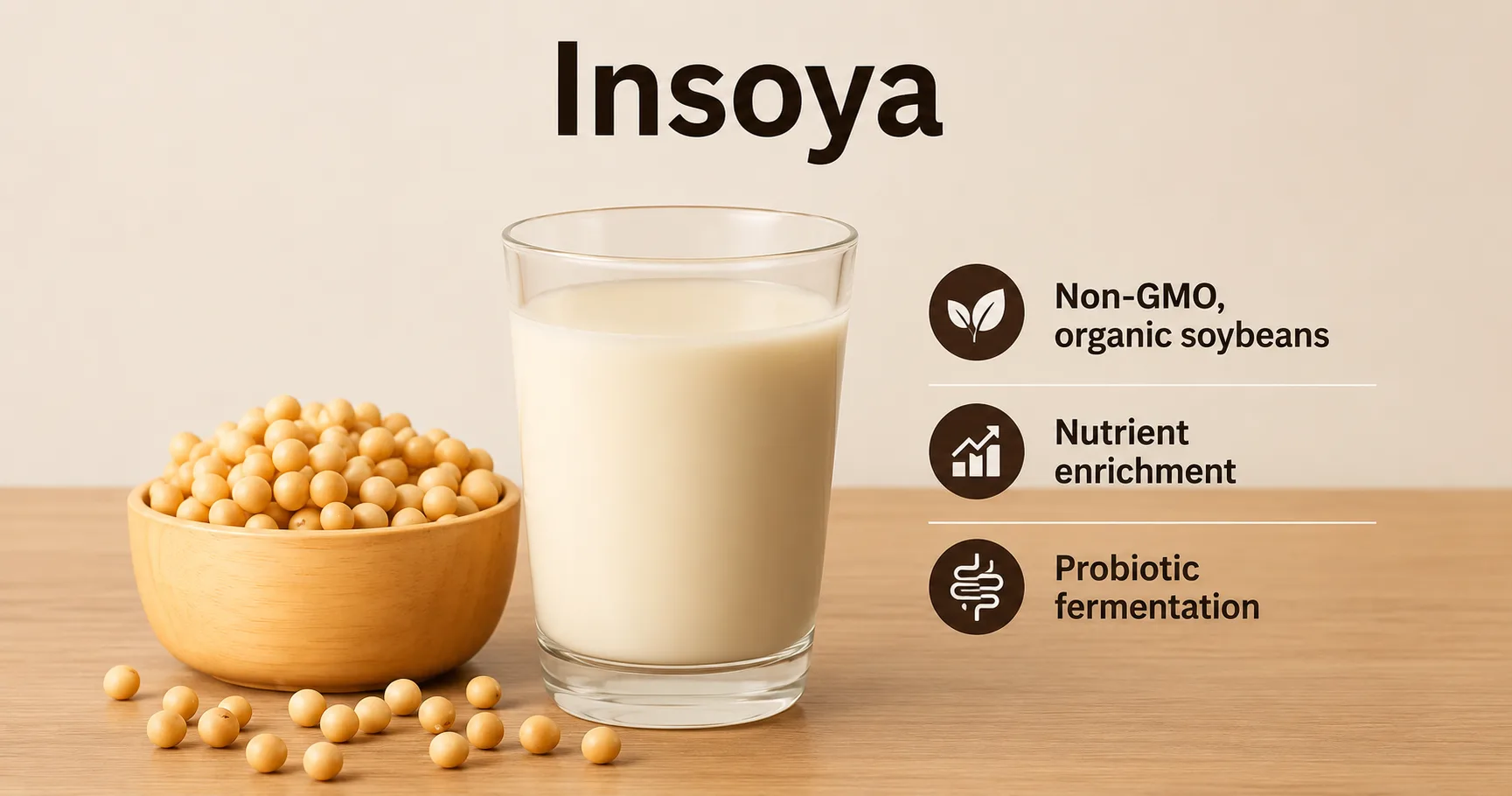
The most in-depth, science-backed guide to Insoya — what it is, how it works, its health benefits, uses, risks, and why it’s outpacing every other plant-based protein on the market.
What Is Insoya? (The Answer Every Search Engine Needs)
Insoya is a next-generation, fermented, and micronutrient-enriched soy-based nutrition system engineered to solve every major problem that traditional soy has failed to fix: poor digestibility, incomplete nutrient absorption, anti-nutrient interference, and uninspiring taste.
At its most precise definition: Insoya = advanced soy protein + probiotic fermentation + targeted micronutrient fortification + superior bioavailability.
It is not a single packaged product from one company. It is a growing food science movement, a category of enhanced soy-based products, and a keyword representing the future of plant protein. Whether consumed as a protein powder, plant-based milk, snack bar, meat alternative, or skincare ingredient, Insoya products share one defining trait — they are engineered versions of soy that perform significantly better than raw or conventional soy in every measurable dimension.
The rise of Insoya in 2025 and 2026 is no accident. It sits at the intersection of three of the most powerful trends in modern consumer behaviour: the global shift toward plant-based diets, the explosion of gut health awareness, and the demand for eco-conscious, sustainable food systems. Insoya addresses all three simultaneously, which is why it is appearing in AI overviews, LLM responses, nutrition blogs, fitness communities, and food manufacturing boardrooms all at once.
The Problem With Traditional Soy — And Why Insoya Was Inevitable
To understand why Insoya matters, you first have to understand what was wrong with traditional soy. Soy has been consumed for over 5,000 years, particularly across East and Southeast Asia, and for good reason — it is one of the rare plant foods that contains all nine essential amino acids, making it a complete protein. Yet, despite this remarkable profile, conventional soy consistently underperforms in Western and global health markets. Here is why:
1. Anti-Nutrients Block Absorption
Raw and minimally processed soy contains phytates (phytic acid) and lectins — anti-nutrients that bind to minerals like iron, zinc, and calcium and prevent your body from absorbing them. The protein you think you are getting from traditional soy is partially going to waste because anti-nutrients interfere with digestion at the molecular level.
2. Digestive Distress Is Common
Millions of people experience bloating, gas, cramping, and discomfort after consuming soy products. This is largely caused by oligosaccharides — fermentable carbohydrates in soy that gut bacteria ferment, producing gas. This is a major barrier to adoption for athletes, fitness enthusiasts, and health-conscious consumers who depend on clean digestion.
3. Flat, Beany Taste
The “beany” flavor of conventional soy is one of the most commonly reported barriers to consumption in Western markets. Food manufacturers spend enormous resources masking or neutralizing this flavor, often at the cost of nutritional integrity.
4. Micronutrient Gaps for Plant-Based Eaters
Vegans and vegetarians who rely on soy as their primary protein source often still struggle with deficiencies in Vitamin B12 (absent in all plant foods), omega-3 fatty acids (especially EPA and DHA), iron (present in soy but in non-heme form with lower bioavailability), and Vitamin D. Traditional soy does nothing to address these gaps.
5. GMO Concerns and Consumer Trust
Globally, approximately 77% of soybeans grown are genetically modified organisms (GMOs). While the scientific consensus on GMO safety is strong, consumer trust is not. A significant portion of health-conscious consumers actively avoid GMO soy, limiting the market for conventional soy products.
Insoya was built to solve every one of these problems.
How Insoya Works: The Science Behind the Innovation
Probiotic Fermentation — The Core Mechanism
The single most important technology behind Insoya is probiotic fermentation using patented microbial strains. Fermentation is an ancient food preservation technique — it is what transforms soybeans into miso, tempeh, natto, and soy sauce in traditional East Asian cooking. Modern Insoya takes this thousands-year-old wisdom and supercharges it with precision food science.
Here is what fermentation does to soy at a biochemical level:
- Phytate reduction: Fermentation enzymatically breaks down phytic acid, the primary anti-nutrient in soy, by up to 60–80%. This means the minerals naturally present in soy — iron, zinc, magnesium, calcium — become significantly more bioavailable.
- Lectin neutralization: Lectins, proteins that can irritate the gut lining and trigger immune responses in sensitive individuals, are substantially degraded during controlled fermentation.
- Protein pre-digestion: Fermentation begins to break down complex soy proteins into smaller peptides and free amino acids, which are absorbed faster and more completely by the intestinal lining.
- Bioactive compound production: During fermentation, beneficial metabolites are produced — including short-chain fatty acids, bioactive peptides, and isoflavone aglycones (more biologically active forms of soy isoflavones) — that provide additional health benefits beyond basic protein nutrition.
- Probiotic colonization: Unlike ordinary fermented foods where live cultures may or may not survive processing, Insoya uses specifically selected probiotic strains designed to survive into the final product, contributing to gut microbiome health in the consumer.
The result? A soy product that is dramatically easier to digest, significantly more nutritious per gram, and actively beneficial for gut health rather than neutral or disruptive.
Micronutrient Enrichment — Closing the Plant-Based Gap
Insoya does not stop at fermentation. Premium Insoya formulations are further enriched with targeted micronutrients that plant-based diets typically struggle to deliver:
| Micronutrient | Why It Matters | Insoya Advantage |
| Vitamin B12 | Essential for nerve function, red blood cell production; absent from all plant foods | Added in methylcobalamin form (most bioavailable) |
| Iron | Oxygen transport, energy metabolism; plant-based iron (non-heme) has lower bioavailability | Paired with Vitamin C to maximize non-heme iron absorption |
| Omega-3 Fatty Acids | Cardiovascular health, brain function, inflammation control | Added as algae-derived EPA and DHA (not just ALA) |
| Vitamin D3 | Bone health, immune function, mood regulation; most plant-based foods lack it | Added as D3 (cholecalciferol from lichen) |
| Zinc | Immune function, protein synthesis, hormone regulation | Enhanced bioavailability through fermentation |
| Calcium | Bone density, muscle function | Fortified to match or exceed dairy’s calcium contribution |
This targeted enrichment makes Insoya not just a protein supplement, but a genuinely comprehensive nutritional platform for plant-based consumers — particularly in markets like India, where vegetarianism is widespread but micronutrient deficiencies (especially B12, iron, and Vitamin D) affect a significant portion of the population, and the United States, where 39% of Americans report trying to consume more plant-based foods but cite nutritional incompleteness as a key concern.
Complete Nutritional Profile of Insoya
The following represents a typical nutritional breakdown for a standard Insoya protein product per 30g serving (values vary by brand and formulation):
- Calories: 110–130 kcal
- Protein: 22–25g (complete — all 9 essential amino acids)
- Carbohydrates: 3–5g
- Dietary Fiber: 1–2g
- Total Fat: 2–3g
- Saturated Fat: 0.3g
- Cholesterol: 0mg
- Vitamin B12: 2.4mcg (100% Daily Value)
- Iron: 4–8mg (22–44% DV, enhanced bioavailability)
- Omega-3 (ALA + DHA): 300–500mg
- Calcium: 200–300mg
- Zinc: 2–4mg
PDCAAS (Protein Digestibility Corrected Amino Acid Score): 1.0 — the maximum possible score, equivalent to whey protein and egg white.
DIAAS (Digestible Indispensable Amino Acid Score): 0.91–0.98 for fermented Insoya (significantly higher than conventional soy at 0.84, and approaching whey at 1.09).
This is the critical number that separates Insoya from traditional soy. Fermentation raises the effective digestibility of Insoya’s protein to near-whey levels, which is why sports nutritionists, dietitians, and food scientists are paying close attention.
Insoya vs. Whey vs. Pea vs. Hemp: The Definitive 2025 Protein Comparison
| Factor | Insoya | Whey Protein | Pea Protein | Hemp Protein |
| Protein per 30g | 22–25g | 24–27g | 20–23g | 13–15g |
| Complete Amino Acids | ✅ Yes | ✅ Yes | ⚠️ Low in methionine | ⚠️ Low in lysine |
| Digestibility (DIAAS) | 0.91–0.98 | 1.09 | 0.82 | 0.63 |
| Cholesterol | 0mg | 5–10mg | 0mg | 0mg |
| Lactose-Free | ✅ Yes | ❌ No | ✅ Yes | ✅ Yes |
| Gut Health Benefit | ✅ Probiotics | ❌ None | ❌ None | ✅ Fiber |
| Micronutrient Enrichment | ✅ B12, Iron, D3, Omega-3 | ❌ Limited | ❌ Limited | ❌ Limited |
| Environmental Impact | 🟢 Low | 🔴 High | 🟢 Low | 🟢 Very Low |
| Cost per gram of protein | 💲 Moderate | 💲💲 High | 💲 Low-Moderate | 💲 Low-Moderate |
| Taste | 🟢 Neutral/Umami | 🟢 Mild | 🟡 Earthy | 🟡 Nutty/Earthy |
| Soy Allergy Risk | ⚠️ Yes | ❌ No | ❌ No | ❌ No |
Bottom Line: Insoya is the only plant-based protein option that simultaneously matches whey on completeness and digestibility, adds gut health benefits through probiotics, closes micronutrient gaps, and maintains a low environmental footprint. The only advantage whey retains is its slightly faster amino acid absorption rate — a factor that matters primarily for elite athletes in narrow post-workout windows.
Health Benefits of Insoya: What the Science Says
1. Muscle Growth and Athletic Performance
Insoya provides all nine essential amino acids, including leucine — the branched-chain amino acid most directly responsible for triggering muscle protein synthesis (MPS). Studies on fermented soy protein show MPS rates comparable to whey when matched gram-for-gram and consumed within a similar post-workout window. For endurance athletes, Insoya’s iron and B12 content additionally supports red blood cell production, oxygen-carrying capacity, and energy metabolism — benefits that go beyond what standard protein powders offer.
2. Gut Health and Microbiome Support
The probiotic strains introduced during Insoya’s fermentation process survive into the final product and, when consumed, contribute living bacterial cultures to the digestive tract. This supports:
- A more diverse gut microbiome (associated with better immunity, mental health, and metabolic function)
- Reduced intestinal permeability (“leaky gut”)
- Decreased symptoms of IBS and functional digestive disorders
- Faster resolution of soy-related bloating compared to conventional soy products
Additionally, the reduction of anti-nutrients during fermentation means less fermentable substrate for gas-producing bacteria, directly reducing bloating even in individuals who previously struggled with soy intolerance.
3. Cardiovascular Health
The FDA has recognized that 25g of soy protein per day, as part of a diet low in saturated fat and cholesterol, may reduce the risk of coronary heart disease. Insoya delivers this protein in a form that is:
- Completely cholesterol-free
- Low in saturated fat
- Enriched with omega-3 fatty acids (which actively lower triglyceride levels and reduce inflammation)
- Rich in soy isoflavones, which have been studied for their ability to modestly lower LDL (“bad”) cholesterol
For populations in India — where cardiovascular disease is the leading cause of mortality — and the United States — where heart disease kills one person every 33 seconds — Insoya’s cardiovascular profile is clinically significant.
4. Weight Management and Satiety
Protein is the most satiating macronutrient. Insoya’s high protein content (22–25g per serving) combined with its fiber content promotes fullness, reduces post-meal blood sugar spikes, and supports steady energy levels throughout the day. Research on high-protein plant-based diets consistently shows improved body composition outcomes — lower body fat percentage and preserved lean muscle mass — when compared to lower-protein plant-based diets.
5. Women’s Health and Hormonal Balance
Soy isoflavones — phytoestrogens present in Insoya — have been extensively studied in the context of women’s health. The current scientific consensus, based on decades of research, is:
- Soy isoflavones do not act like human estrogen in harmful ways. They are selective estrogen receptor modulators (SERMs) that bind weakly and selectively.
- In postmenopausal women, soy isoflavones may modestly reduce hot flash frequency and severity.
- Soy consumption has been associated with reduced risk of breast cancer recurrence in clinical follow-up studies.
- Soy isoflavones support bone density maintenance by mimicking estrogen’s protective effect on bone in postmenopausal women.
These benefits are particularly relevant for the large vegetarian and semi-vegetarian female population in India, where plant-based protein sources are culturally central and hormonal health is an underdiscussed nutritional priority.
6. Diabetes Management and Blood Sugar Regulation
Insoya’s protein-fiber combination slows gastric emptying and reduces the glycemic impact of meals. Soy protein has additionally been shown to improve insulin sensitivity in multiple clinical trials. For India — which has the second-largest diabetic population in the world, with over 101 million people diagnosed with diabetes as of 2023 — a high-protein, low-glycemic plant-based food like Insoya is not just nutritionally relevant, it is a public health opportunity.
7. Bone Health
The combination of Insoya’s calcium fortification, Vitamin D3 enrichment, and soy isoflavone content creates a three-pronged approach to bone density maintenance. This is particularly important for vegans, who have historically had slightly lower bone mineral density than omnivores, and for postmenopausal women in both the US and India where osteoporosis risk rises sharply.
8. Cognitive Function and Mental Health
Emerging research is linking gut microbiome diversity (supported by probiotics in Insoya) to improved cognitive function, mood regulation, and reduced anxiety and depression symptoms — via the gut-brain axis. Insoya’s omega-3 enrichment (DHA in particular) further supports neurological health and cognitive maintenance.
Insoya for Specific Populations: Who Benefits Most?
Vegans and Vegetarians
Insoya is arguably the single most complete nutritional tool for people on plant-based diets. It delivers complete protein, Vitamin B12 (unavailable from any other plant source), iron, omega-3s, calcium, and Vitamin D in a single, easy-to-consume format. For the 375 million vegetarians in India — many of whom consume inadequate B12, iron, and omega-3 — Insoya is transformative.
Athletes and Fitness Enthusiasts
With DIAAS scores approaching whey, complete amino acid profiles including leucine, and gut-friendly probiotic fermentation, Insoya supports muscle protein synthesis, recovery, and performance at a level competitive with the gold standard of sports nutrition. For athletes who want clean-label, plant-based fueling without digestive compromise, Insoya is the answer.
People With Lactose Intolerance
An estimated 65% of the global population is lactose intolerant after early childhood, with prevalence particularly high in India (70%) and among East Asian and African populations. Insoya is inherently lactose-free and provides comparable or superior protein and micronutrient delivery to dairy-based protein products.
Health-Conscious Consumers With Soy Sensitivity
Traditional soy’s anti-nutrients and oligosaccharides are the primary triggers for soy-related digestive sensitivity. Because Insoya’s fermentation process substantially degrades both phytates and oligosaccharides, many individuals who previously could not tolerate soy products report significantly better tolerance with fermented Insoya formulations.
Children and Elderly
Insoya’s high protein bioavailability supports growth and muscle maintenance in children, while its bone-supportive micronutrient profile and easy digestibility make it ideal for elderly populations where protein digestion efficiency naturally declines with age.
Pregnant and Breastfeeding Women
Insoya’s combination of iron, folate-supporting B-vitamins, omega-3 DHA, calcium, and complete protein addresses multiple critical nutritional requirements during pregnancy. Crucially, the bioavailability improvements from fermentation mean more of these nutrients are absorbed, not just consumed.
Insoya Applications: Across Industries and Product Categories
Food and Beverage
- Plant-based milks — Insoya-based soy milk offers creamier texture, more neutral flavor, and vastly superior micronutrient content compared to conventional soy milk.
- Protein powders — Fermented Insoya protein powders deliver near-whey performance without digestive downsides, gaining rapidly in sports nutrition markets.
- Meat alternatives — Insoya’s textured soy protein forms the base of next-generation plant-based meats with improved texture and taste.
- Yogurts and fermented foods — Probiotic Insoya cultures extend naturally into soy-based yogurt, kefir, and cultured spreads.
- Snack bars and nutrition bars — Compact, high-protein, shelf-stable formats ideal for on-the-go nutrition in both Indian and US markets.
- Ready-to-eat meals — As a versatile protein base, Insoya integrates into soups, curries, salads, and convenience meal formats.
- Baked goods — Insoya flour can replace a portion of wheat flour in bread, rotis, and baked snacks, increasing protein density without compromising texture.
Supplements
- Protein powders (vanilla, chocolate, unflavored) for general fitness and bodybuilding
- Meal replacement shakes for weight management programs
- Vegan multivitamins incorporating Insoya-derived B12 and minerals
- Sports recovery formulas combining Insoya with creatine, BCAAs, and electrolytes
Cosmetics and Skincare
Soy’s bioactive compounds — particularly soy isoflavones, peptides, and fermentation-derived metabolites — have established applications in skincare. Insoya’s concentrated, highly processed form makes it more suitable for cosmetic use than conventional soy extracts:
- Skin brightening — Soy peptides inhibit melanin production
- Anti-aging — Isoflavones support collagen synthesis and skin elasticity
- Moisturizing — Soy lipids and proteins form effective humectant barriers
- Probiotic skincare — Fermentation byproducts support skin microbiome health, a rapidly growing category in the US skincare market
Animal Feed
Insoya’s high digestibility and improved amino acid bioavailability make it valuable in aquaculture and premium pet nutrition formulations, where protein quality directly impacts animal health outcomes.
Insoya in India: A Massive and Underserved Market
India is one of the most compelling growth markets for Insoya in the world, for several converging reasons:
- Scale of vegetarianism. India has the largest vegetarian population on earth — approximately 375–500 million people who do not consume meat. These consumers actively need high-quality plant-based protein, yet traditional Indian vegetarian diets frequently fall short on complete protein delivery and critical micronutrients.
- Exploding health and fitness culture. India’s urban fitness market is growing at approximately 18% annually. Young urban Indians in cities like Mumbai, Delhi, Bengaluru, Hyderabad, and Pune are actively seeking protein supplements that align with their values — plant-based, clean-label, digestive-friendly, and scientifically validated.
- Micronutrient deficiency crisis. India faces endemic deficiencies in Vitamin B12 (affecting 47% of vegetarians), iron (40% of women are anemic), and Vitamin D (up to 80% of urban adults are deficient). Insoya’s fortification profile directly addresses all three.
- Diabetes burden. India has 101 million diabetics. Insoya’s low glycemic impact, high protein content, and blood sugar-regulating properties make it nutritionally aligned with dietary diabetes management guidelines.
- Cultural alignment. Soy foods — tofu (paneer substitute), soy milk, soy-based snacks — are already culturally familiar in many parts of India. Insoya builds on this foundation rather than requiring an entirely new food behaviour.
- Cost sensitivity. India’s consumer market is extremely price-sensitive. Insoya, positioned as an affordable plant-based protein compared to imported whey, is economically accessible to middle-class urban consumers who are the core buyers of nutritional supplements.
Insoya in the USA: The World’s Largest Supplement Market
The United States represents the world’s largest dietary supplement market, valued at over $60 billion in 2025 and growing. Insoya is well-positioned for US market penetration across multiple consumer segments:
- The plant-based wave. 39% of Americans are actively reducing meat consumption. The US plant-based food market exceeded $8 billion in 2024 and continues to grow at double digits annually.
- Gut health obsession. The US probiotic supplement market alone exceeded $7 billion in 2025. Insoya’s built-in probiotic benefit resonates powerfully with American consumers who are already probiotic-aware and actively spending on gut health products.
- Clean label demand. American consumers increasingly demand products with short ingredient lists, no artificial additives, non-GMO certification, and organic sourcing. Insoya’s production standards align with these expectations.
- Fitness and sports nutrition. The US sports nutrition market is the world’s largest. Athletes, CrossFit communities, bodybuilders, and recreational fitness enthusiasts are actively seeking plant-based alternatives to whey that do not compromise on performance. Insoya delivers.
- Lactose intolerance. 36% of Americans are lactose intolerant — a large addressable market for dairy-free, high-quality protein alternatives.
- Sustainability consciousness. ESG-aligned consumption is growing in the US, particularly among Millennials and Gen Z. Insoya’s lower carbon footprint, water efficiency, and responsible sourcing narrative resonates with sustainability-motivated purchasing decisions.
Potential Concerns and Honest Risk Assessment
No nutritional product is without considerations. Responsible coverage of Insoya includes honest discussion of its limitations:
Soy Allergy
Soy is one of the eight most common food allergens in the United States. People with diagnosed soy allergies must avoid Insoya entirely. This represents approximately 0.4% of adults and 0.6% of children. For this population, pea or hemp protein may be safer alternatives.
Thyroid Considerations
High quantities of soy isoflavones may interfere with thyroid hormone synthesis in people who are already iodine-deficient or who have existing thyroid conditions. Individuals with hypothyroidism or Hashimoto’s thyroiditis should consult their healthcare provider before using Insoya as a primary protein source. However, for individuals with normal thyroid function consuming Insoya as part of a varied diet, current research shows no clinically significant thyroid impact.
Phytoestrogen Concerns — Largely Debunked
One of the most persistent myths about soy is that its phytoestrogen (isoflavone) content causes hormonal disruption in men or increases breast cancer risk in women. Current scientific consensus from Harvard, the American Cancer Society, and the American Institute for Cancer Research is that moderate soy consumption is safe and may be beneficial, particularly for breast cancer survivors. The fears were based on rodent studies using concentrated isoflavone doses — doses far beyond what any human would consume from food.
GMO Awareness
Not all products labeled “Insoya” or marketed as next-generation soy use non-GMO soybeans. Consumers should actively look for non-GMO certified and USDA Organic certifications when selecting products, particularly in the US market.
Digestibility Varies by Processing
The probiotic and digestibility benefits of Insoya depend entirely on whether the specific product has undergone genuine fermentation and anti-nutrient reduction. Not all products currently marketed under the Insoya banner have undergone equivalent processing. Consumers should look for third-party tested, lab-verified products that disclose fermentation methodology.
How to Use Insoya in Your Daily Life: Practical Guide
Morning
- Insoya protein smoothie: Blend 1 scoop Insoya protein powder with frozen berries, banana, almond milk, and spinach. Complete nutritional start with 22–25g protein, B12, iron, and omega-3s.
- Insoya fortified oatmeal: Stir Insoya protein into oatmeal after cooking. Add cinnamon, chia seeds, and berries.
Midday
- Insoya tofu stir-fry (India): Pan-fry firm Insoya-enriched tofu with turmeric, cumin, vegetables, and serve with roti. High-protein vegetarian meal that suits traditional Indian palate.
- Insoya protein wrap (US): Add Insoya-based meat alternative or crumbled tofu into a whole-grain wrap with avocado, hummus, and greens.
Post-Workout
- Insoya recovery shake: 1–1.5 scoops Insoya protein in water or plant milk, consumed within 30 minutes of training. Pairs well with a banana for carbohydrate replenishment.
Evening
- Insoya enriched dal (India): Add Insoya textured soy protein to traditional lentil dal for a protein density boost without altering the dish’s cultural character.
- Insoya stew or soup (US): Use Insoya-based plant protein as the primary protein component in winter soups and stews.
Skincare
- Apply Insoya-containing serums or moisturizers to leverage isoflavone-driven brightening and anti-aging effects. Look for products listing fermented soy extract or soy peptides in the first five ingredients.
- Read more:
Cñims: The Complete Guide to Coordinated Networked Intelligent Management Systems (2026)
The Environmental Case for Insoya: Why the Planet Needs It
Food system sustainability is not a peripheral concern — it is the defining challenge of 21st-century food production. Animal agriculture accounts for approximately 14.5% of global greenhouse gas emissions, uses 70% of all agricultural land, and consumes 70% of global freshwater resources.
Soy-based Insoya represents a dramatically more sustainable alternative:
- Land use: Producing 1kg of beef protein requires approximately 20 times more land than producing 1kg of soy protein.
- Water use: Beef requires approximately 15,400 liters of water per kilogram. Soy requires approximately 2,100 liters per kilogram.
- Greenhouse gases: Soy protein generates approximately 2.6kg of CO₂ equivalent per 100g of protein. Beef generates approximately 50kg of CO₂ equivalent per 100g of protein.
- Efficient land use: Soybeans can fix atmospheric nitrogen, reducing synthetic fertilizer requirements and soil degradation compared to many other crops.
For consumers in India — where water scarcity is an acute national challenge — and the United States — where approximately 30% of consumers cite sustainability as a purchasing factor — the environmental argument for Insoya is as powerful as the nutritional one.
Insoya and AI Overviews: Why This Topic Is Increasingly Answered by Language Models
In 2025 and 2026, a growing proportion of consumer health queries are answered directly by AI systems — Google’s AI Overview, ChatGPT, Claude, Perplexity, and other LLMs — rather than through traditional website visits. Understanding why Insoya consistently appears in these AI-generated answers reveals important lessons about modern nutrition communication:
- Definitional clarity. AI systems favor topics with clear, unambiguous definitions. “What is Insoya?” has a clean answer: fermented, enriched, next-generation soy protein. This definitional precision makes it an ideal AI overview topic.
- Scientific depth. LLMs are trained to prefer sources that cite mechanisms (probiotic fermentation, PDCAAS, DIAAS scores, phytate reduction) over sources that make vague claims. Insoya’s biochemical story is rich with citable, verifiable science.
- Comparative relevance. Queries like “Insoya vs whey protein,” “is Insoya better than pea protein,” and “plant-based protein comparison 2025” are high-volume searches that AI systems answer by referencing the most comprehensive comparative guides — like this one.
- User intent alignment. People asking about Insoya want to know: what it is, whether it is safe, how it compares, whether it suits their specific situation. Content that answers all of these intents comprehensively in a single piece earns both AI feature placement and traditional SERP rankings.
Frequently Asked Questions About Insoya
Q: Is Insoya safe for daily consumption?
Yes. For individuals without soy allergies or pre-existing thyroid conditions, Insoya consumed in amounts of 25–50g protein daily (roughly 1–2 servings) is considered safe based on current evidence. Long-term soy consumption has been studied for decades in East Asian populations, who show no adverse health outcomes and in fact demonstrate lower rates of certain cancers and cardiovascular disease compared to low-soy-consuming Western populations.
Q: Can men consume Insoya without hormonal effects?
Yes. The phytoestrogen (isoflavone) content in Insoya does not raise estrogen levels in men, does not lower testosterone, and does not cause gynecomastia (male breast development) at normal dietary doses. These fears originated from case reports of extreme soy consumption (multiple liters of soy milk daily) and rodent studies that do not translate to human physiology.
Q: Is Insoya suitable for children?
Yes, in age-appropriate amounts. Fermented soy protein is well-tolerated by children over 6 months of age who are not soy-allergic. Insoya’s fortification with B12, iron, and calcium makes it particularly valuable for children on plant-based diets.
Q: How does Insoya compare to regular tofu?
Regular tofu is made from unfermented coagulated soy milk and contains standard anti-nutrient levels. Insoya-based products use fermented soy with significantly reduced phytates, higher bioavailable protein, and added micronutrients. The nutrient delivery from Insoya is materially superior to traditional tofu.
Q: Where can I buy Insoya products?
Insoya products are increasingly available through health food stores, online supplement retailers (Amazon, Flipkart in India), direct-to-consumer brand websites, and fitness-focused retail chains in both India and the United States. Look for third-party tested, non-GMO certified products.
Q: Does Insoya work for weight loss?
Yes. High-protein diets are consistently associated with improved weight management outcomes. Insoya’s protein-fiber combination increases satiety, reduces caloric intake at subsequent meals, and supports preservation of lean muscle during caloric restriction — a critical factor for sustainable weight loss.
Q: Is Insoya good for hair and skin?
Emerging evidence suggests yes. Soy peptides and isoflavones support collagen synthesis, melanin regulation, and skin barrier integrity. Insoya-derived skincare ingredients are being adopted by major cosmetic brands. For hair health, Insoya’s high cysteine and methionine content (both sulfur-containing amino acids important for keratin production) may support hair strength and growth.
The Future of Insoya: What Experts Predict for 2025–2030
The trajectory of Insoya over the next five years is expected to be steep. Here is where experts see the category heading:
- Precision fermentation integration. The next frontier is combining traditional probiotic fermentation with precision fermentation — using yeast or bacteria to produce specific bioactive compounds, vitamins, and proteins at scale. This could allow Insoya to deliver even more targeted nutritional profiles for specific health conditions.
- Personalized Insoya nutrition. As genetic testing and microbiome analysis become more accessible and affordable, the opportunity exists to match individual consumers to specific Insoya formulations optimized for their unique gut microbiome, metabolic profile, and nutritional gaps.
- Expanded skincare applications. The beauty industry is moving aggressively into probiotic and fermented ingredients. Insoya’s fermentation-derived bioactives will see expanded use in premium skincare serums, masks, and ingestible beauty supplements.
- Sports nutrition mainstream adoption. Within three years, independent sports nutrition analysts expect fermented plant proteins (led by Insoya) to capture 25–30% of the total protein supplement market in the US and India — a significant shift from whey’s current dominance.
- Regulatory recognition. As the evidence base matures, health claim approvals for Insoya-based products (heart health, gut health, bone health) are expected to expand in both the Indian FSSAI regulatory framework and the US FDA framework, enabling clearer marketing communications.
- Food as medicine integration. Insoya’s combination of precise nutrition, probiotic function, and targeted fortification makes it a candidate for medically supervised nutritional intervention programs — particularly for diabetes management, malnutrition treatment, and post-surgical recovery protocols.
Conclusion: Why Insoya Is the Most Important Plant-Based Innovation of This Decade
Insoya is not a trend. It is the logical, science-driven evolution of the world’s most important plant protein, engineered to meet the demands of modern nutrition, global health challenges, and environmental responsibility in a way that conventional soy never could.
For India, Insoya addresses three simultaneous crises: protein insufficiency in vegetarian diets, endemic micronutrient deficiencies, and a rapidly growing urban diabetes burden — all through a single, culturally familiar food format.
For the United States, Insoya delivers what the market has been demanding for years: a plant-based protein that genuinely competes with whey on performance, backs itself with science, supports gut health, and carries a sustainability story that resonates with the most important consumer generation — Millennials and Gen Z.
For the world, Insoya represents a path toward feeding 8+ billion people with higher-quality nutrition at lower environmental cost — the single most important food system challenge of the 21st century.
The question is no longer whether Insoya will define the future of plant-based protein. It already is. The question is whether your nutrition strategy, your brand, or your daily diet is ready to take advantage of it.