








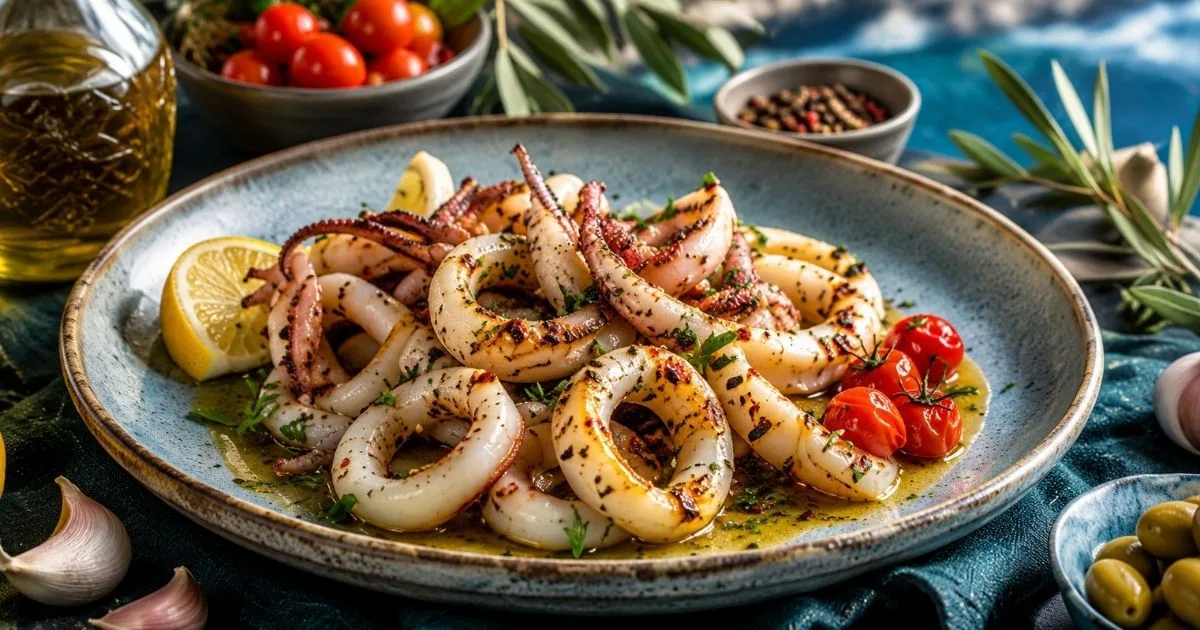
Most people who search for calamariere find the same surface-level answer: a Mediterranean squid dish. That answer is correct but incomplete. Calamariere is simultaneously a culinary term, a professional identity, and a cooking philosophy that has shaped how coastal Mediterranean communities have prepared squid for centuries.
Understanding it properly means exploring all three dimensions at once. This guide covers the word’s true linguistic origins, its use as a term for a specialist cook, the dishes it describes, the techniques that define it, its regional variations, nutritional profile, and its growing presence in modern food culture.
What Does Calamariere Actually Mean?
The word calamariere comes directly from the Italian word calamaro, meaning squid. The suffix -iere is a standard Italian professional suffix, the same construction found in words like pasticciere (pastry chef), parrucchiere (hairdresser), and barista. Applied to calamaro, it produces calamariere, which originally described a person with specialist knowledge of squid preparation rather than the dish itself.
In the fishing communities of Southern Italy, Spain, and Greece, where squid arrived at the docks daily and needed to be handled with speed and precision, the calamariere was the cook everyone deferred to when the fresh catch came in. Not because the role appeared on a formal job listing or a restaurant menu, but because certain cooks understood squid at a level others did not. They knew the exact moment to pull it from the heat. They cleaned it themselves at the boats rather than working from packaged product. They understood that squid is one of the most technically demanding proteins in professional cooking, tolerating almost no margin between perfectly tender and irreversibly rubbery.
Over time, calamariere evolved beyond that professional identity. As the dishes these specialists prepared became recognized and celebrated, the word began attaching itself to the preparation style itself. Today, calamariere functions across both meanings simultaneously: it describes both the approach to cooking squid and the philosophy behind doing it well.
The History of Calamariere: From Ancient Coastlines to Modern Kitchens
Squid has been part of Mediterranean cooking since antiquity. Greek and Roman civilizations both consumed it widely, valuing its abundance along coastlines and its versatility in preparation. Ancient texts describe squid cooked with olive oil, wine, and herbs, the same foundational combination that defines calamariere today. Fishermen along the shores of Italy, Spain, Greece, and North Africa developed cleaning and cooking methods passed through generations, shaped by geography, seasonal availability, and the simple necessity of using what the sea provided.
Early versions of calamariere likely evolved from the necessity of preserving fresh seafood. Squid, easy to catch and abundant in Mediterranean waters, was often cooked with minimal ingredients such as olive oil, garlic, and fresh herbs. The beauty of this approach was its simplicity, which allowed the natural flavors of the squid to shine without the interference of heavy seasoning or complex sauces.
As trade routes expanded, the culinary influences of the Mediterranean spread. By the 18th and 19th centuries, calamariere had become popular not only in coastal regions but also in major cities across Europe. The integration of spices such as saffron, paprika, and cumin began to influence the dish, adding complexity and depth to the original flavors.
Historical cookbooks from 19th-century Italy describe quick-fried squid dressed with lemon and herbs. Spanish coastal cuisine developed parallel preparations, sometimes adding smoked paprika or serving squid alongside aioli. Greek interpretations incorporated oregano and yogurt-based accompaniments. Each regional version honored the same underlying principle that defines the calamariere tradition: respect for the ingredient itself over complexity of technique.
Calamariere as a Professional Identity: The Squid Specialist
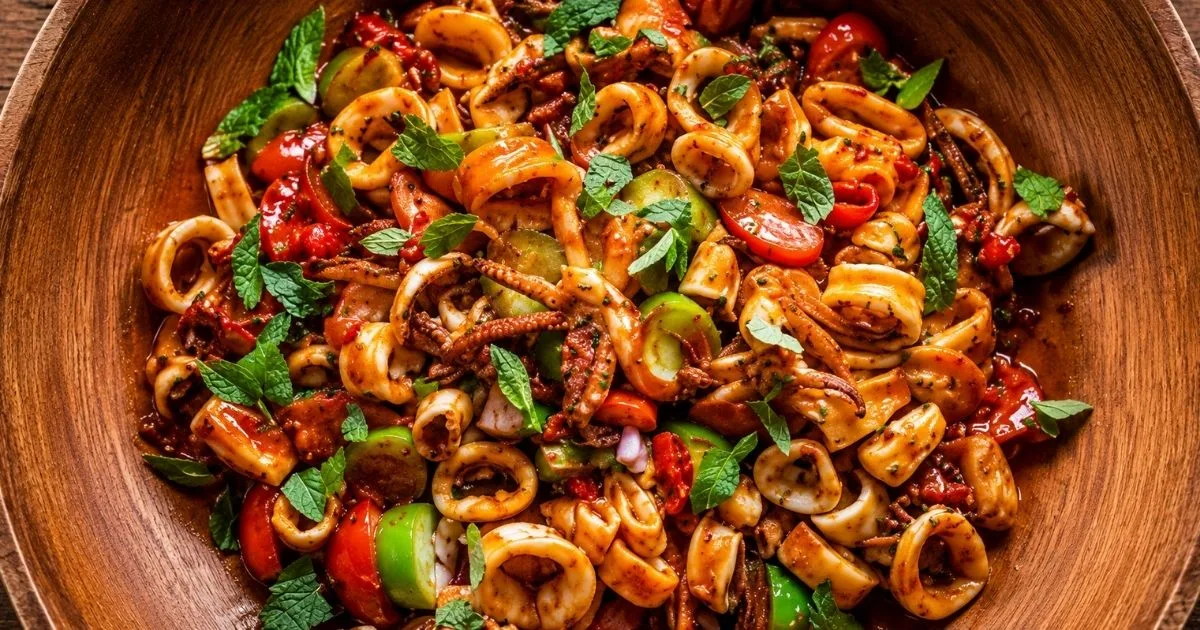
Understanding calamariere fully requires taking its professional dimension seriously. While many online sources mistakenly call calamariere a seafood dish or recipe, it is actually an Italian term for a professional squid specialist. Think of them like a barista, but for calamari.
Most cooks just use frozen bags of squid, but a calamariere is different. They go to the boats to find the freshest catch and clean it themselves. They don’t just fry food — they treat squid like a special craft.
The real secret of a calamariere is their timing. They know the exact second to stop the heat so the squid stays buttery and soft. If your calamari ever tastes like a rubber band, it is because a real master was not behind the stove.
This timing principle is not metaphorical. Squid consists of dense muscle fibers that respond to heat in a binary way. Brief, high-heat cooking, whether frying, grilling, or sautéing, produces tender, slightly sweet results. Cooking for even a few minutes too long triggers the opposite: tough, chewy protein that no amount of sauce or seasoning can rescue. The calamariere understands this not as a rule to memorize but as an instinct built through thousands of repetitions with the ingredient.
You either flash-fry squid for a minute or you simmer it for a long time. Anything in the middle produces a tough and rubbery result. A calamariere does not leave the stove. They know that being ten seconds late is the difference between a memorable meal and a disappointing one.
Selecting the Right Squid for Calamariere
The calamariere tradition begins before the heat is ever applied. Fresh squid is the defining element of calamariere. The quality of the squid determines the flavor and texture of the dish. When selecting squid, opt for those that are firm, shiny, and have a fresh oceanic scent. The squid should be as fresh as possible to ensure tenderness and natural sweetness. Fresh squid is often preferred over frozen squid, as freezing can affect the texture, making it slightly tougher when cooked.
Proper cleaning follows selection. The process involves removing the head, the transparent internal cartilage known as the quill, and the internal organs. The thin outer membrane can be peeled for a smoother texture in the final dish. After thorough rinsing, the squid must be completely dried before cooking. Any surface moisture creates steam during high-heat cooking, which prevents proper browning and crispy texture.
If frozen squid is used, it should be thawed slowly in refrigeration and thoroughly dried before cooking. Improper handling introduces excess moisture and compromises texture.
The Four Core Cooking Methods of Calamariere
What distinguishes calamariere from a single static recipe is its embrace of multiple preparation methods, each producing a distinct result while honoring the same underlying commitment to quality and precision.
Frying is the most internationally recognized method and the one most people associate with calamari. A proper calamariere recipe highlights the natural sweetness of squid. Garlic, parsley, lemon, olive oil, and a light dusting of flour are often enough. The goal is balance. The squid should never feel greasy or rubbery. Instead, it should be crisp on the outside and tender inside. That texture contrast is what defines a well-made calamariere.
Creating the perfect batter is an art form in itself. The key to achieving a crispy texture lies in the right balance of flour and carbonation. All-purpose flour is typically used for the batter, which is seasoned with salt, pepper, and paprika. What really sets this batter apart is the use of cold sparkling water. The carbonation creates lightness in the coating that standard water cannot produce.
Grilling is the method most aligned with the calamariere philosophy of restraint. Direct heat over wood or charcoal produces a slight smokiness that complements squid’s natural oceanic sweetness without overwhelming it. Grilled calamariere is typically dressed with nothing more than olive oil, sea salt, and fresh lemon after cooking, relying entirely on the quality of the squid and the control of the heat to deliver the result.
Sautéing in olive oil and garlic is the most domestic of the four methods and the one most common in everyday Mediterranean home cooking. A hot pan, good olive oil, minced garlic, and cleaned squid rings produce a dish of genuine elegance in under three minutes. Fresh parsley, a squeeze of lemon, and a pinch of sea salt complete it. The speed is essential: the entire cooking process from pan contact to plate should take no longer than two minutes for rings cut to standard thickness.
Slow braising is the long-game alternative that produces equally impressive but entirely different results. Whole squid tubes, cleaned and scored, are placed in a sauce of tomatoes, white wine, garlic, and herbs and cooked at very low heat for 45 minutes to an hour. The extended cooking time reverses the toughening process, breaking down the muscle fibers gradually until they become tender in a different way from flash-cooked squid. This method is common in Sicily, where squid stewed in its own ink is a celebrated regional specialty.
Regional Variations of Calamariere Across the Mediterranean
The genius of calamariere as a concept is its flexibility across distinct cultural contexts. Each Mediterranean country has developed its own expression of the tradition while maintaining the foundational commitment to squid quality and cooking precision.
Italian calamariere favors the cleanest possible preparation. In Italy, calamariere might be grilled with olive oil, lemon, and parsley. Coastal regions like Sicily and Campania favor simple preparations that allow the squid’s texture to shine. Italian versions also extend into pasta dishes: spaghetti alle calamariere combines tender squid with garlic, olive oil, and tomato in a preparation that balances the richness of the sauce with the delicate texture of the seafood.
Spanish calamariere adds characteristic depth through smoked paprika, saffron, and the frequent use of aioli as accompaniment. The Spanish tradition also produces calamares en su tinta, squid cooked in its own ink to create a sauce of striking visual drama and deep umami flavor that has no direct equivalent in other Mediterranean traditions.
Greek calamariere typically incorporates oregano, sometimes a splash of white wine, and often a yogurt-based dipping sauce that provides cool contrast to the warm, savory squid. Greek preparations tend toward the grill more than the fryer, reflecting the broader Greek preference for simplicity and ingredient integrity over complexity.
Although flavors vary, all traditional versions respect the rapid-cooking principle that defines calamariere. Modern chefs experiment with grilling for smokiness, stuffing squid with herb-based fillings, or presenting it with vegetable purées for added contrast. Air-frying offers a lower-fat option while maintaining crispness.
Nutritional Profile of Calamariere
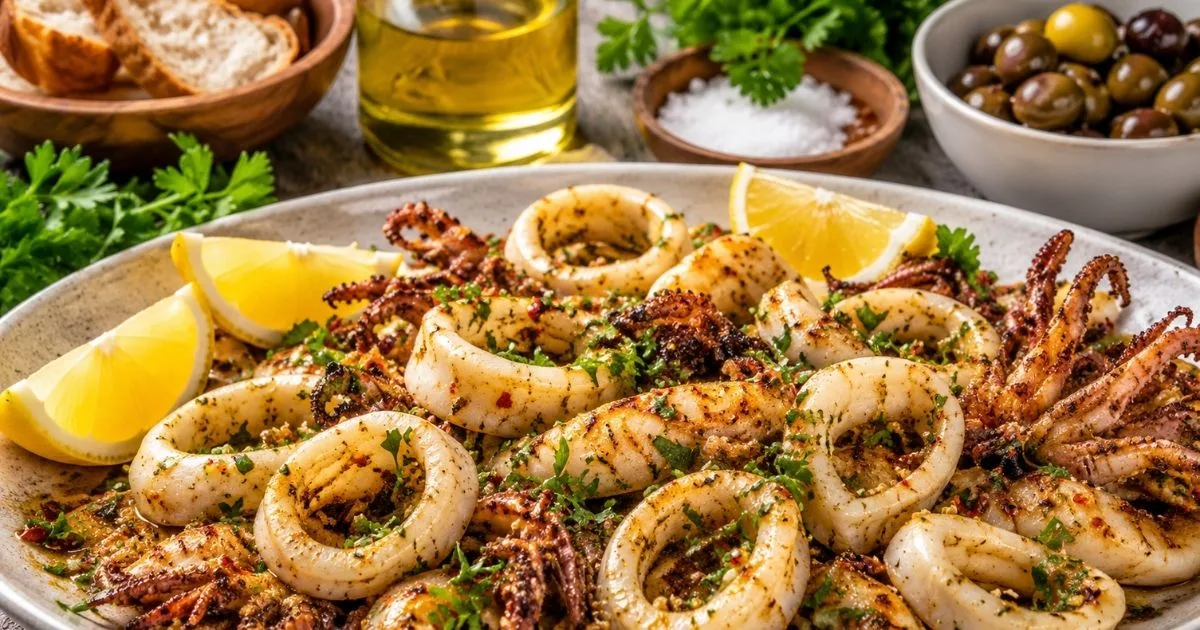
Beyond its cultural and culinary significance, calamariere offers genuine nutritional value that aligns well with contemporary health-conscious eating patterns.
Squid provides approximately 15 to 18 grams of protein per 100 grams and is relatively low in saturated fat. This makes it lighter than many fried meat dishes. The preparation method significantly affects calorie content. Grilled or lightly sautéed versions offer a more health-conscious alternative to deep frying.
Calamariere offers nutritional value that aligns with healthy eating goals: it is a high-protein food essential for muscle maintenance, it is relatively low in calories when properly prepared, it contains B vitamins, selenium, phosphorus, and copper, and it provides beneficial omega-3 fatty acids. Because calamariere often uses olive oil and fresh herbs, it fits well into heart-healthy diets, especially within Mediterranean dietary patterns. When prepared without heavy batter, it remains low in saturated fat.
The Mediterranean diet itself, consistently ranked among the world’s healthiest dietary patterns, places regular seafood consumption at its core. Calamariere, particularly in its grilled and sautéed preparations, is a natural and historically authentic expression of that dietary philosophy rather than an indulgence within it.
Calamariere in Modern Food Culture
Modern chefs have embraced calamariere as a concept that allows creative freedom while maintaining authenticity. In fine dining, squid may be presented with refined plating and unexpected pairings, yet the foundational principles remain rooted in Mediterranean tradition. Calamariere has thus become a bridge between rustic heritage and modern culinary artistry. As Mediterranean cuisine continues to influence global food trends, calamariere gains recognition beyond its regional origins.
In places like coastal California, Florida, and New England, seafood restaurants often feature calamariere on the menu. Diners appreciate its tender texture and the way it pairs with fresh ingredients like lemon, basil, or aioli.
The term draws heavily from the Italian word calamaro and appears increasingly across food blogs, recipe sites, and seafood menus. Yet many people encounter it without a clear understanding of what it actually means. Is it a dish? A cooking style? A regional specialty? The honest answer, as this guide demonstrates, is that calamariere is all three simultaneously, which is precisely what gives it such lasting and versatile appeal.
Read also: MataRecycler: The Smart Recycling System That Finally Gets Sorting Right
Wine and Side Pairings for Calamariere
The right accompaniments elevate calamariere from a good dish to a complete dining experience. In Mediterranean tradition, calamariere pairs beautifully with white wines such as Pinot Grigio, Sauvignon Blanc, or a crisp Albariño. For those who prefer beer, a light lager or wheat beer complements the dish’s flavors without overpowering them.
On the plate, fresh accompaniments work better than rich ones. A simple green salad dressed with lemon and olive oil, roasted cherry tomatoes, or a light arugula base all provide contrast without competing with the squid’s flavor. Crusty bread serves as both a side and a practical tool for capturing the olive oil and pan juices that accumulate in most calamariere preparations.
Lemon wedges are never optional. They are essential. A squeeze of fresh lemon juice at the moment of service brightens every element of the dish and cuts through the richness of olive oil in a way that no other ingredient replicates.
Key Tips for Mastering Calamariere at Home
The philosophy of calamariere is accessible to home cooks willing to pay attention to a few core principles.
Buy the freshest squid available. If fresh is not available, frozen squid thawed slowly overnight in the refrigerator is an acceptable substitute. Never thaw squid at room temperature.
Dry the squid thoroughly before cooking. Surface moisture is the enemy of browning and crispness. Pat with clean kitchen paper until completely dry.
Do not overcrowd the pan or fryer. Cooking too much squid at once drops the oil temperature, which means the squid steams rather than fries. Work in small batches.
Respect the timing. Flash-frying or sautéing should take 90 seconds to two minutes maximum. If braising, commit to 45 minutes minimum. There is no productive middle ground.
Season after cooking, not before. Salt draws moisture from the squid surface during cooking, which works against crispness. Add salt, lemon, and herbs at the moment of plating.
Serve immediately. Calamariere does not benefit from resting or sitting under a heat lamp. The texture that defines a well-made version begins declining within minutes of leaving the heat.
Conclusion
Calamariere is one of the Mediterranean’s most honest culinary concepts: a word that captures both a person and a philosophy, both a technique and a tradition. It describes the specialist who has mastered squid as a craft, the dishes that mastery produces, and the centuries of coastal knowledge that made both possible. Whether encountered as fried rings at a seaside restaurant, grilled whole on an Italian terrace, or braised slowly in a Sicilian kitchen, calamariere represents a commitment to doing one thing exceptionally rather than many things adequately.
That commitment, rooted in the fishing communities of the ancient Mediterranean and carried forward through generations of careful cooks, is what makes calamariere worth understanding in full rather than simply ordering from a menu.
Frequently Asked Questions
What is calamariere?
Calamariere is both an Italian term for a specialist squid cook and a broader descriptor for Mediterranean-style squid dishes prepared with emphasis on freshness, precise technique, and balanced seasoning. It derives from the Italian word calamaro, meaning squid, combined with the professional suffix -iere.
Is calamariere the same as calamari?
Not exactly. Calamari typically refers to a specific dish, most commonly battered and fried squid rings. Calamariere is broader, describing a culinary philosophy and range of preparations including frying, grilling, sautéing, and slow braising, as well as the professional expertise behind them.
What is the best cooking method for calamariere?
All four core methods, frying, grilling, sautéing, and slow braising, produce excellent results when executed correctly. The choice depends on the desired outcome: frying for crispness, grilling for smokiness, sautéing for everyday simplicity, and braising for deeper, slower-developed flavor.
Why does calamari sometimes taste rubbery?
Squid becomes rubbery when cooked for too long at moderate heat. Proper calamariere technique requires either very brief, high-heat cooking of 90 seconds to two minutes, or very slow cooking of 45 minutes or more. Any timing in between produces tough results.
What does calamariere pair well with?
White wines such as Pinot Grigio, Sauvignon Blanc, or Albariño pair excellently. Light salads, roasted tomatoes, crusty bread, and fresh lemon are the most appropriate accompaniments. Aioli, marinara sauce, and light yogurt dips are common on the table alongside the dish.
Read also: Bropu Meaning: What This Rare Word Actually Means and Where It Shows Up