








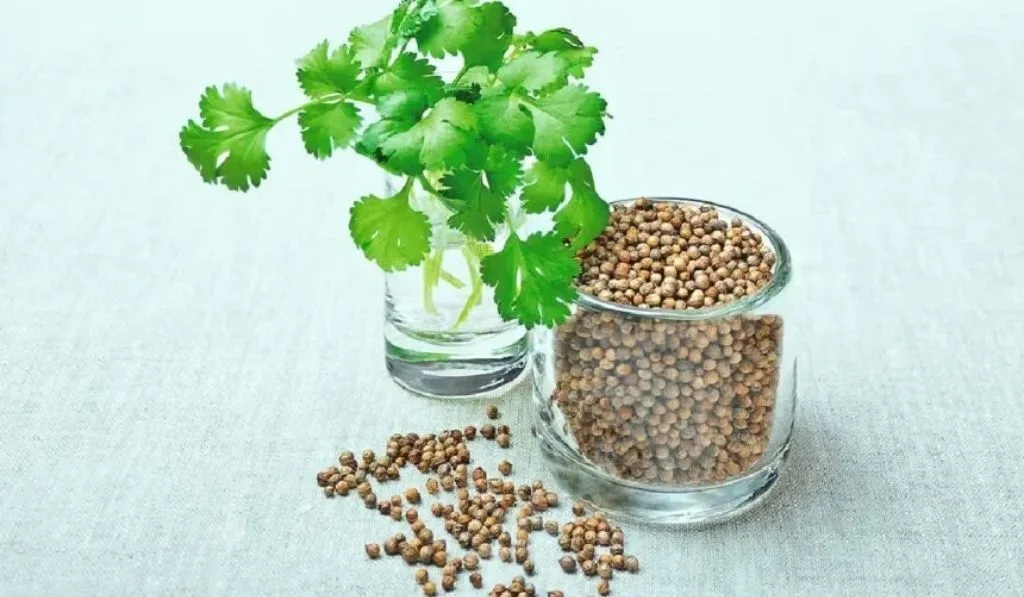
If you have ever wondered why the herb in your curry smells completely different from the spice in your spice rack, even though they both come from the same plant, you are already asking the right question about koriandri. This guide covers exactly what koriandri is, where it comes from, how it works in the kitchen, what it does for your body, and how to grow it yourself in 2026.
What koriandri actually means
Koriandri is the name used across South Asian languages and several Eastern European traditions for the herb known scientifically as Coriandrum sativum. In the United States, most people call the fresh green leaves cilantro and the dried seeds coriander. Both come from the same plant, but they taste nothing alike.
The plant belongs to the Apiaceae family, which also includes parsley, carrot, and celery. This family produces some of the most aromatic plants in the world, and koriandri is no exception. The word itself traces back to the ancient Greek “koriannon,” a name linked to the plant’s unusually strong smell before it fully matures.
Three names, one plant:
| Part of the plant | Common name in the USA | Flavor profile |
| Fresh green leaves | Cilantro | Bright, citrusy, slightly grassy |
| Dried seeds | Coriander | Warm, nutty, mildly sweet |
| Roots | Coriander root | Earthy, more intense than leaves |
A history that goes back 8,000 years
Koriandri has one of the longest documented histories of any herb in human cooking. Archaeological evidence places its use at least 8,000 years ago in the Mediterranean and Near East. Coriander seeds have been found in Egyptian tombs, including the burial site of Tutankhamun, suggesting the herb held both culinary and cultural value for the ancient Egyptians.
From Egypt, the herb traveled to ancient Greece and Rome. Roman soldiers carried coriander seeds on long marches, using the spice to preserve meat and season their food. Arab merchants then moved it along the Silk Road into Asia, where it became woven into Indian, Persian, and Chinese cooking traditions.
Today, India is one of the largest producers of coriander in the world. The herb is also widely cultivated in Mexico, Morocco, China, and Turkey, with commercial growing operations spread across multiple continents.
Where the confusion about names comes from
Part of what makes koriandri interesting is how differently it is named depending on where you are. In India and Pakistan, it is dhania. In Arabic-speaking countries, kuzbara. In Persian, gashniz. In Turkey, kisi otu. In Mexico and much of Latin America, cilantro.
This naming confusion has a simple explanation. As the herb spread through trade over thousands of years, every new culture adopted its own word. The result is a single plant with dozens of names, all referring to the same Coriandrum sativum. In the United States, a common source of confusion is that cilantro refers to the leaves and coriander refers to the seeds, even though grocery stores sometimes label the whole plant under either name.
What the plant looks like up close
Koriandri is an annual herb, meaning it completes its full life cycle in a single growing season. It typically grows to around 50 to 60 centimeters tall, with bright green, slightly feathery leaves in its early stages. As the plant matures, the leaves become narrower and more divided.
When the plant bolts (goes to seed), it produces small white or pale pink flowers arranged in umbrella-shaped clusters. These flowers become the coriander seeds, which start green and turn tan or brown as they dry. The roots, especially in Thai and Vietnamese cooking, are also harvested and used as a base for pastes and sauces.
Nutritional value you should know about
Koriandri punches well above its weight nutritionally, especially considering how small the amounts typically used in cooking are.
Fresh cilantro leaves provide:
- Vitamin K at very high levels, important for blood clotting and bone maintenance
- Vitamin A, which supports eye health and immune function
- Vitamin C, an antioxidant that helps the body repair tissue
- Iron, potassium, and folate in smaller but meaningful amounts
Coriander seeds provide:
- Dietary fiber, which supports digestive health
- Magnesium and manganese
- Antioxidant compounds including flavonoids and phenolic acids
According to USDA nutritional data, 100 grams of fresh cilantro provides roughly 92% of the daily recommended intake of vitamin K. That is a lot from a herb most people use as a garnish.
Health benefits backed by research
Koriandri has been used in Ayurveda, Chinese medicine, and Unani healing systems for centuries. Modern research has started to confirm what traditional practitioners observed long ago.
Digestive support is one of the best-documented benefits. Coriander compounds stimulate the production of digestive enzymes, which helps the body break down food more efficiently. Research suggests it can ease bloating, gas, and discomfort associated with irritable bowel syndrome (IBS).
Blood sugar regulation is another area of active research. Several animal studies have shown that coriander seed extract can help lower blood glucose levels, though human clinical trials are still ongoing. People with diabetes or pre-diabetes who use it as a spice are unlikely to experience harm, but it should not replace prescribed treatment.
Anti-inflammatory effects come from the plant’s antioxidant compounds, particularly quercetin and terpinene. These compounds help reduce oxidative stress in the body.
Diuretic properties mean that coriander also supports kidney function by helping the body flush excess sodium. This may contribute to modest improvements in blood pressure over time.
One important note: if you take blood pressure or blood sugar medication, speak to your doctor before using coriander as a concentrated supplement. As a cooking herb in normal amounts, it is safe for most people.
How to cook with every part of koriandri
Knowing when to add cilantro versus coriander seeds changes the result of a dish completely.
Fresh cilantro leaves should almost always go in raw or at the very end of cooking. Heat destroys the volatile compounds that give the leaves their bright aroma. Add them to finished curries, stir into salsa just before serving, or use as a garnish for soups, tacos, and grain bowls.
Coriander seeds behave the opposite way. They benefit from heat. Dry-toasting the seeds in a pan for 60 to 90 seconds before grinding them releases significantly more flavor than using them straight from the jar.
Coriander roots are used in Thai cooking as a base for curry pastes, alongside galangal, lemongrass, and chili. They have an earthy, concentrated flavor that the leaves do not.
A few practical ways to use koriandri daily:
- Blend fresh leaves into chutney with lime, green chili, and garlic
- Add ground coriander seed to spice rubs for roasted meats or vegetables
- Drop a few fresh leaves into a fruit salad for unexpected brightness
- Use as a finishing herb on lentil soup or dal
Why some people taste soap when they eat cilantro
Roughly 4 to 14% of people find that fresh cilantro tastes like dish soap. This is not a preference or an attitude. It comes down to genetics. Individuals with a variation in the OR6A2 olfactory receptor gene are far more sensitive to the aldehyde compounds naturally present in coriander leaves. These aldehydes are the same type of compounds found in some soaps and detergents, which is where the association comes from.
This reaction applies almost exclusively to the fresh leaves. The same people who dislike cilantro often have no problem with coriander seeds, because the drying and heating process changes the chemical profile of the plant significantly. The Coriandrum sativum plant contains over 40 different aromatic compounds, and the balance of those compounds shifts dramatically between its fresh and dried forms.
If you are cooking for someone who hates cilantro, swap it for fresh flat-leaf parsley as a garnish. The flavor is different, but the appearance and fresh herbal quality are similar.
How to grow koriandri at home
Koriandri is one of the easier herbs to grow indoors or in a backyard garden. It does not require special equipment or a lot of space.
What it needs:
- A pot at least 15 cm deep with drainage holes, or a patch of well-drained garden soil
- Six or more hours of sunlight per day (a south-facing window works indoors)
- Regular light watering, keeping the soil moist but not soggy
- Temperature between 15°C and 27°C (60°F to 80°F)
Sow seeds directly into the soil because coriander does not transplant well. Germination takes 7 to 14 days. Harvest leaves once the plant reaches about 15 cm tall by snipping from the outside in. The more you harvest, the longer the plant stays in its leafy stage before bolting to seed.
One tip most guides skip: if you want to keep a continuous supply, sow a new batch every two to three weeks. A single plant will bolt quickly in warm weather. Staggered planting gives you fresh leaves all season.
Read more: Wifekivers meaning explained: what this viral slang really says about modern relationships
Storing koriandri so it actually stays fresh
Fresh cilantro stored loosely in a plastic bag in the fridge will wilt within two to three days. There are better methods.
- Stand the bunch upright in a jar with an inch of water, like flowers. Cover loosely with a plastic bag. This keeps leaves fresh for up to two weeks in the fridge.
- For longer storage, blend fresh leaves with a small amount of oil, freeze flat in a ziplock bag, and break off portions as needed.
- Coriander seeds keep well in an airtight glass jar away from direct light. Ground coriander loses its potency faster than whole seeds, so grind only what you need.
Final thoughts
Koriandri is the kind of ingredient that people either take for granted or overlook entirely, which is a shame because few herbs offer as much variety from a single plant. The fresh leaves and the dried seeds are not just different flavors. They represent two genuinely different cooking tools that happen to come from the same source.
If you have only been using one part of the plant, try the other. Toast and grind whole coriander seeds for your next curry paste. Finish a simple bowl of rice and lentils with a handful of fresh leaves. Grow a pot on your windowsill and see how much better the fresh leaves taste compared to what you find in a store. Once you start treating koriandri as two separate ingredients that occasionally overlap, the way you cook with it changes.
FAQ
What is koriandri and how is it different from coriander?
Koriandri is the South Asian name for Coriandrum sativum, the same plant sold as coriander in most Western countries. The word koriandri covers the whole plant, while “coriander” in the USA most often refers specifically to the dried seeds. There is no botanical difference between them.
Why do cilantro and coriander seeds taste so different from each other?
The fresh leaves contain large amounts of volatile aldehyde compounds that give them a bright, citrusy flavor. When the seeds dry and are later toasted, those volatile compounds break down and a different set of terpene and linalool compounds come forward, producing a warm, nutty taste. Same plant, very different chemistry.
Can koriandri help with digestion?
Yes, coriander has a well-documented effect on the digestive system. The plant’s compounds help stimulate digestive enzymes and can reduce bloating, gas, and abdominal discomfort. It has been used for this purpose in Ayurvedic medicine for centuries, and modern studies support the traditional use.
Is it safe to eat koriandri every day?
For most people, eating koriandri daily as part of a normal diet is completely safe. It is a food, not a supplement. The only exception applies to people taking blood pressure or blood sugar medications in high doses, where concentrated coriander supplements (not cooking amounts) could potentially interact with treatment.
How do you stop fresh cilantro from going bad so quickly?
The most effective method is to trim the stems and stand the bunch in a small jar of water in the fridge, then loosely cover the leaves with a plastic bag. This keeps the leaves fresh for up to two weeks. Stuffing loose leaves into a plastic bag and sealing it is the fastest way to make them wilt and turn yellow.
Does cooking destroy the benefits of koriandri?
Heat does break down the volatile aromatic compounds in fresh cilantro leaves, which is why they are best added raw. However, the seeds actually benefit from heat, which unlocks their flavor compounds. The nutritional content of the leaves decreases somewhat with cooking, but the seeds retain most of their mineral and fiber value after being used in cooking.